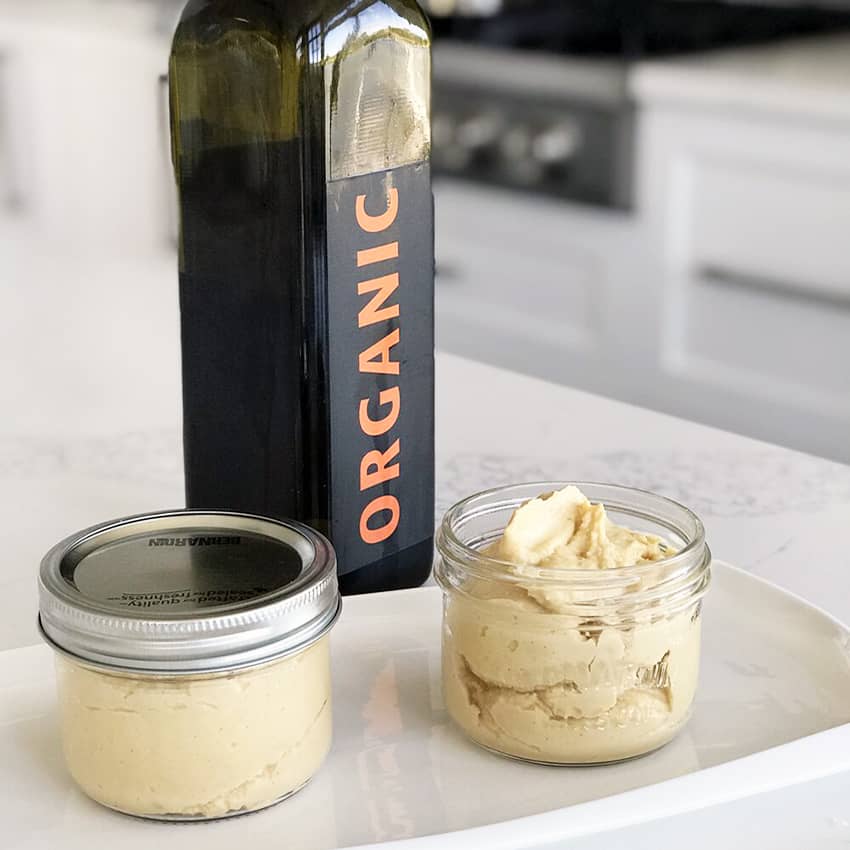
Chickpea hummus recipe
What is hummus?
Hummus is a traditional Middle Eastern dip that consists of cooked garbanzo beans (chickpeas), tahini, garlic and lemon.
Like many popular dishes, every household makes hummus their way. Some like it very citrusy, some like it with lots of garlic, some chunky and others smooth. It’s your choice. But, after living in the Middle East, I learnt that there is some basic tip you need to know to make good hummus.
Tips for how to make your Chickpea hummus recipe
- First tip I learnt from a friend was that hummus is better if you cook your own garbanzo beans (chickpeas). Click here to learn how to cook garbanzo beans (chickpeas) properly.
- Second tip, keep them warm when you process them. Warm chickpeas keep that smooth, silky texture that so many like.
- If you use canned, it is better to warm them up before you add them to the food processor.
- If you cook your chickpeas from scratch, after they are cooked, peel your beans. Trust me, the skin is tuff and difficult to digest and will not process that easily. It’s time-consuming but totally worth it.
- Drizzle the oil thinly when adding to the processor. This will also help to keep it smooth.
How do you serve hummus?
Traditionally hummus is served with warm fresh pita bread. Of course, you can buy your pita bread or add it to your toast or even use veggie sticks to dip the hummus.
- For Breakfast: on toast with a few slices of avocado on top
- For lunch, as the main dip or in a wrap topped with greens and roasted veggies.
- You can use it as a sauce for pasta.
- Adding 1 avocado will make a smooth and creamy hummus.
- Another option is red beets, turning it into a beautiful red coloured dip.
- Roast some red peppers and garlic and add it to the hummus to get a smoky flavour. I use it this way as pasta sauce, and I love it.
Can I substitute or omit tahini?
It’s possible to use limes instead of lemons, but the tahini has a distinct flavour, so I would not omit it, but it’s my personal taste. I have read that some people use greek yogurt instead, so if you are not a fan of tahini, give it a try. You can always use a plant-based greek style yogurt.
Can you add spices or herbs to hummus?
Yes, you can. In fact, when I lived in the Middle East, I learnt that each family had their own tradition. The most used spices are paprika and cumin or even with some herbs like dill, parsley.
Print
Chickpea hummus recipe
Description
It’s super easy to make hummus. All the ingredients are added to a food processor until you get the consistency you like and … done!
Make sure you include a good source of protein for lunch such as hummus or any other bean spreads. You can use them in a sandwich topped with avocado slices and sprouts or a wrap filled with raw or roasted veggies.
Ingredients
- 400 g organic cooked and still warm garbanzo beans
- 3 tbsp organic tahini
- 1 or 2 garlic cloves
- Juice of organic 2 lemons or limes (or 1 of each)
- 1/2 tsp Salt or to taste
- 1/3 cup EVOO (Cold press Extra Virgin Olive Oil or high quality)
- optional (cumin seeds, Spanish paprika)
Instructions
- Add all ingredients but the oil to a food processor.
- While running, pour in the oil slowly until it becomes a smooth paste.
- Once you find the consistency you like, serve it in a bowl and a drizzle of olive oil and a dash of paprika.
Notes
For storing leftover hummus I usually keep them in a small mason jar and store it in the fridge for up to 3 days.
Nutrition
- Serving Size: 8
- Calories: 208
- Sugar: 2.7g
- Sodium: 153mg
- Fat: 15g
- Carbohydrates: 16g
- Fiber: 4.4g
- Protein: 5.5g
Keywords: Chickpeas, hummus, recipe
