9 FOOD MYTHS Busted
Have you ever wondered if what they have told us about food is really true? We all have grown up with ideas from our parents or grandparents about what we should eat and what we shouldn’t. How do they know? Is it all true?
Here are some myths that I have discovered over the years, are not exactly true!
Myth 1: We need to avoid GLUTEN
Well, this is not true. Unless you have been tested by your physician confirming you are celiac, there is no reason to avoid gluten.

It’s true many people find themselves bloated after eating a big pasta dish or a sandwich but the truth is not hiding only in the bread but in the type of foods that you are eating that contains gluten.
It’s a fact that wheat in Canada and in the US have been modified but there is ways to go around it.
Most popular pasta is made from white flour but we can easily find healthier options. Look for whole-wheat pasta and semolina pasta. You might even find fermented Italian pasta in your Health Food Store.
Wheat-free does not mean gluten-free. There are other grains that contain gluten, so if you have an allergy to wheat, you could still consume gluten.
Have you heard of the Gluten-free weight-loss diet? There is no evidence that by removing gluten from your diet you will lose weight and we still see on Social Media promoting this idea.
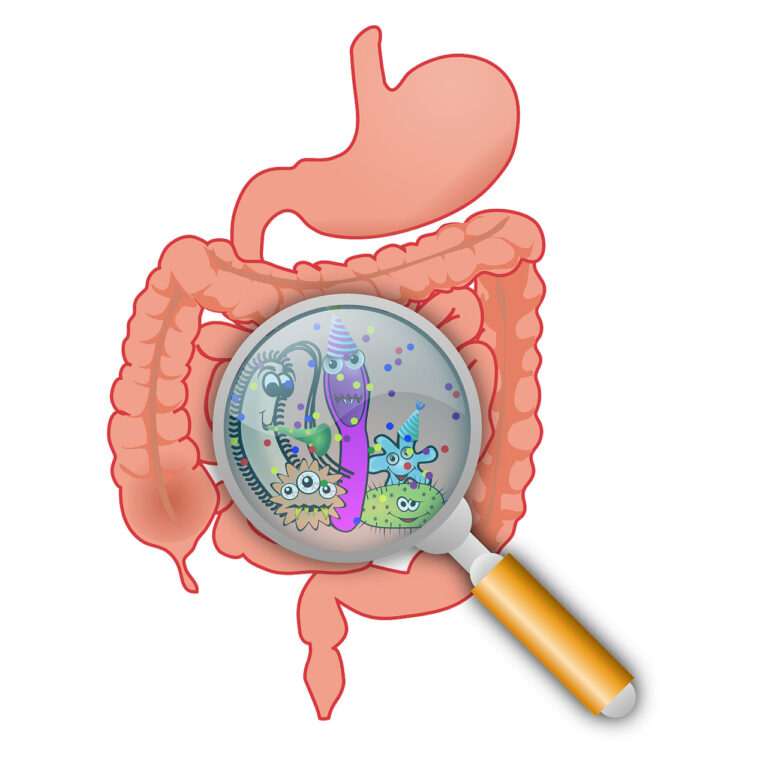
Sometimes, we need to go deeper than just blaming gluten. There is a chance that your gut is in dysbiosis and bad bacteria are feeding on certain foods, causing that bloating. Going on a gluten-free diet can deplete us from eating a variety of grains rich in vitamins and minerals.
In my experience, there is ways to reduce that bad bacteria and bring back a better balance with a wide variety of Whole Foods. Introducing fermented bread, like sourdough, can sometimes help to add new bacteria in to your gut.
Better check with a Nutritionist or Naturopath to find out how to fix this problem.
Myth 2: Carbs are bad for you
How many times have your heard: “Carbs make you fat!” Hold on! What kind of Carbs are we talking about? Well, definitely not white bread and white rice. We are talking carbohydrates from Whole Foods.

Carbs are your body’s main source of energy. Energy that feeds your brain, heart muscles and central nervous system.
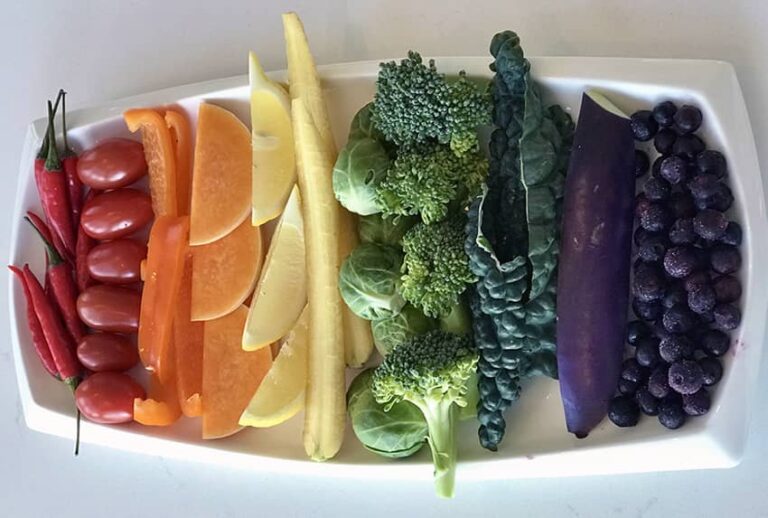
Carbohydrates are formed by fibre, starches and sugar. They are found in whole grains, vegetables and fruits.
When you consume high-fibre unrefined carbohydrates, you are helping to reduce the risk of chronic disease.
- Eat the whole fruits and vegetables not the juice because it lacks fibre.
- Choose whole-wheat bread and fermented bread like sourdough.
- Brown & wild rice, quinoa, millet, buckwheat, bulgur, etc.
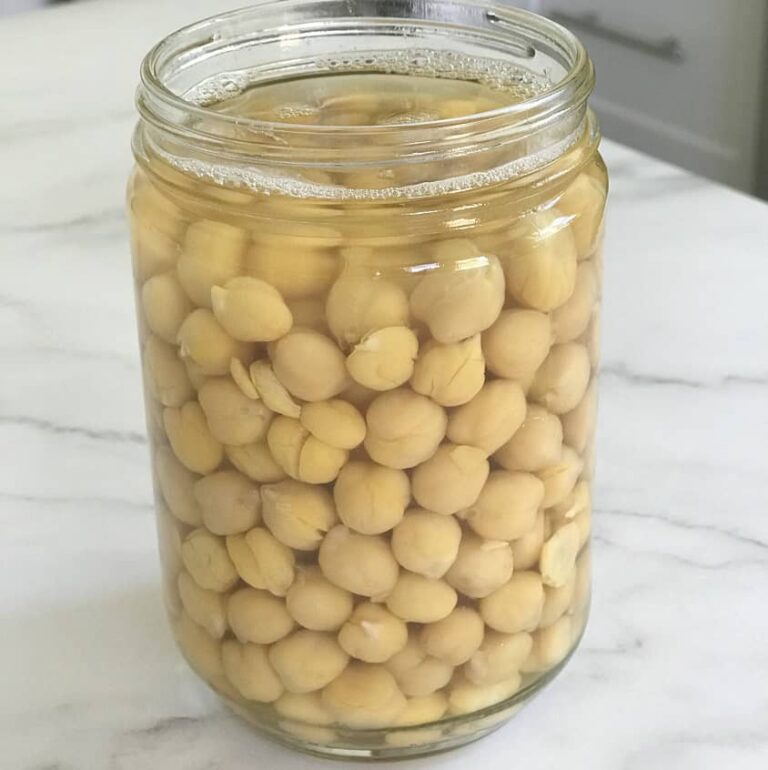
- Legumes and beans.
- Nuts and seeds.
So, do not fear Whole Food Plant-Based carbs!
Myth 3: LEGUMES MUST BE EATEN WITH A GRAIN FOR COMPLETE PROTEIN
The idea that Plant-based protein was inferior to animal protein came from studies made on rats more than 100 years ago and reminded 40 years later by the magazine Vogue, when they published an article about the need to combine these two proteins. Like today’s Social Media, the influence of a Magazine wan over the papers publish by the Nutrition Community, ignoring the studies.

It happens that our body stores amino acids for when they are needed so if you eat whole grains for breakfast and beans for dinner, your body will take care of what it needs, as it needs it.
This is why it’s important to eat a variety of whole foods through out the day.
Plant-based protein can be found in whole grains, beans and legumes, vegetables and fruits, mushrooms, nuts and seeds, even seaweed and spirulina.
Myth 4: EATING A VEGAN DIET IS HEALTHY
There is quite a confusion between eating “vegan” food and being healthy.
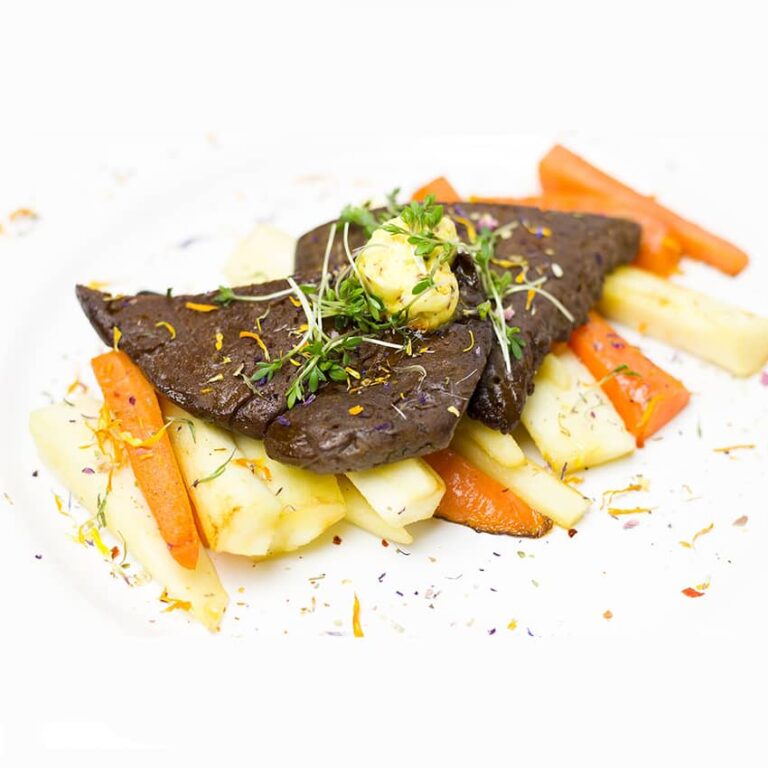
Today, it’s effortless to find meat substitutes called vegan meats and cheeses. The truth is that many of these foods are ultra-processed, packed with sodium, sugar, additives and preservatives — most of them lacking fibre which is so important in a healthy diet.

A Vegan diet can be healthy if it is based on a Whole Food Plant-Based diet. Not in processed sugars and flours, chips and candy.
I’m not saying that these foods are off-limits. However, you can consider the 80:20 rule where you eat well 80% of the time, and it’s fine to eat some of these indulgent foods 20% of the time.
Once you have done this, you can consider the 85:15 rule or 90:10 rule. Again, the fewer processed sugars you consume the less cravings you will have in the future.
Myth 5: FRUIT HAS TOO MUCH SUGAR
It’s common to think that fruit is bad for you because it has too much sugar.
Fruits contain two types of sugar: fructose and glucose. Both are needed by our body to function. In addition, fruits are naturally low in fat and contain fibre, vitamins, minerals, and antioxidants like polyphenols.

So why analyzing the sugar content in fruit and instead focusing on the entire picture.
Sugars in fruit are not the enemy but the added sugars that we find in foods.
I propose that each time you have a craving for something sweet, instead of opening the kitchen cupboard to look for a cookie, have a piece of fruit.
Remember, your gut feeds from fibre and fruits are a good source of fibre and because fibre slows down digestion and the absorption of sugars, it prevents large spikes or drops in blood sugar levels.
Myth 6: RED WINE IS GOOD FOR YOU
Before you top up your glass of red wine, maybe you should read where did this idea come from.

The “French Paradox” a study French published during the late ’80s, was trying to explain low rates of heart disease in France, despite the saturated animal fats consumed regularly (cheese, cream and butter). They found in red and purple skin grapes an antioxidant called polyphenols that showed had heart-protecting properties. As the results showed up, the World Health Organization investigated and found that French physicians under-reported Ischemia (a dysfunction where the blood supply in tissues is restricted causing a shortage of oxygen), in at least 20% of the death certificates. So basically France’s death cases ended up being the same as any other country in the study.
Since then we can find studies that show that polyphenols in fact are a potent antioxidant that helps manage bold pressure levels and promotes good circulation by keeping our blood vessels healthy and flexible. Polyphenols also help reduce chronic inflammation. The problems resides in the alcohol and how it affects liver, pancreas, gut and heart.
The bottom line is that if you like to sip on your favourite red wine, do it because you like it not because you believe it’s healthy.
Myth 7: VITAMIN A: THE CARROT MYTH
How many times have you heard: “eat your carrots and you will have good eyesight!”.

Beta-carotene, one of the 2 types of Vitamin A, can be found in many coloured vegetables like carrots, sweet potatoes, spinach, kale, cantaloupe, etc… When we eat vegetables and fruits, Beta-carotene is converted to Vitamin A, an antioxidant that helps to protect cells from damage but, the truth is: it will not improve vision!.
The idea to eat carrots to improve eyesight came from a propaganda campaign launch by the British during the WWII, where they spread the word that carrots were added to the pilot’s diet to help them with night vision and the Nazi’s feel for it!
The reality was that the British Royal Air Force had secretly developed a new system of Radar that could intercept Nazi fighters.
So the British Intelligence covered up the invention with the idea of “super-eyesight” food for their pilots’ added to their diet: carrots.
And this is the story of How the Carrots help the British win WWII!
Myth 8: SWEET POTATOES vs WHITE POTATOES
They are both root vegetables but they are not from the same family.


Sweet potatoes belong to the morning glory family. They are not an orange potato like many believe, their skin is thicker and it can be found in different colours (yellow, purple, red-brown). The flesh can also vary from orange to purple or light yellow.
They are a better source of fibre and have a lower GI than potatoes. They are packed with Beta-carotene and Vit C, Manganese, B6 and also B1, B2, B3, B5, B6 and potassium.
Potatoes are nightshades. Nutritionally speaking they are similar in macros ( carbs-protein-fat) than the sweet potatoes but are lower in fibre and higher GI.
Potatoes contain more starches but less sugar than sweet potatoes. The are rich in Vit C, B6, B9, B1, B2, B3, B5, magnesium, phosphorus, iron, copper.
Myth 9: GRANOLA IS HEALTHY
Granola can be a healthy and nutritious start to your day, but most of the brands we find today in the stores are packed with sugar.

It’s not hard to make your own granola, but it’s indeed easier to grab a bag from your supermarket to have in your pantry.
Store-bought granola is high in calories and loaded, and many include artificial flavouring. Be selective when you chose your granola, read the label but, most importantly, read the ingredients.
It’s quite easy to make your own granola. All you need is to mix rolled oats, dates or unsweetened cranberries, nuts and seeds, nut butter, a few extras like coconut flakes or unsweetened chocolate chips, blend well with a little maple syrup or honey and store.
Making your own granola, you are in control of your added sugars.