How to soak and cook dry black beans
Black beans are one of my favourite dry beans. They are packed with protein and fibre, but they also have iron, calcium, magnesium, manganese, zinc, potassium, B6 and folate.
Choose organic dry legumes and beans.
When you buy beans, make sure they are hard, and the skin is soft with no wrinkles. Something also to consider is to buy organic. Most producing countries use glyphosate when harvesting legumes and beans as a drying agent.
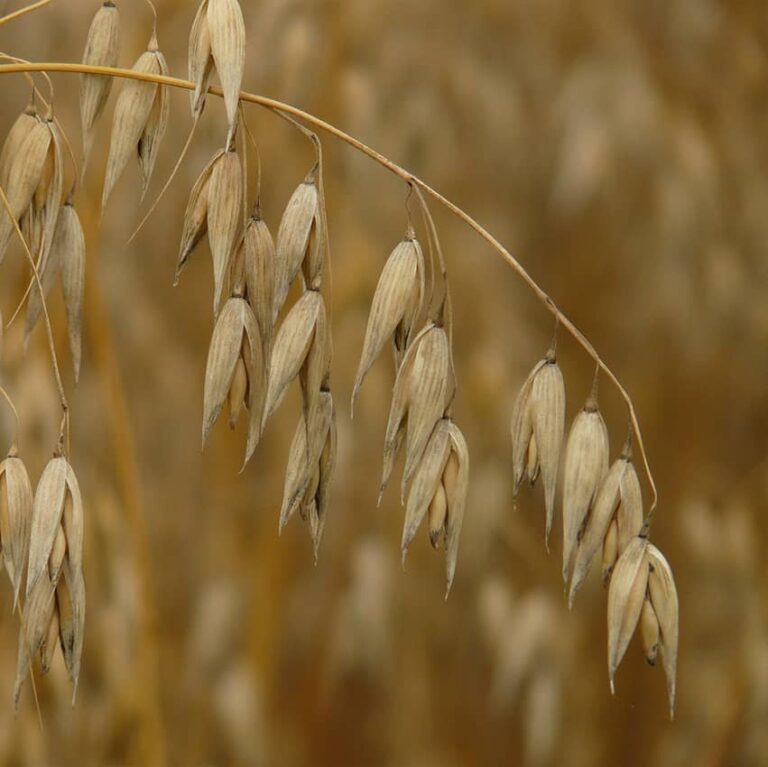
Although Canada is slowly banning this toxic chemical for certain foods like oats, it is still used in non-organic foods. Something to think about next time you blame the beans for your sore tummy…
How to cook Black beans?
First, check your beans for small rocks, discoloured and bruised ones.
- Rinse them well a few times and leave to soak overnight or at least 8 hrs. Legumes and beans contain lectins that can significantly be reduced by soaking, sprouting, boiling and fermenting. Lectins can cause digestion discomfort for some people, so I always recommend soaking them. Research also shows, if legume and beans are eaten raw, can lead to food poisoning.
- Drain and rinse well before adding them into a large pot. Fill the pot with cold water until the beans are covered at least 1 inch over the beans.
- Bring it to a boil and reduce the heat to medium-low, reducing the heat to medium-low and simmering them.
- Simmer the beans between 45 and 90 minutes, depending on their size and how old they are. You can test the beans by squeezing them between your fingers; they should be tender but firm.
- When they are cooked, drain well (reserving the water), let them cool down on a baking tray or a large platter, so they cool down quickly.
Adding salt and spices?
There is no need to add any salt or spices. What you are doing is to prepare the black beans, so they are eatable. You will have time to add flavours when you prepare your dishes. There is a lot of debates about adding salt when you cook beans. Some experts feel some beans break apart when adding salt. Also, from my point of view as a nutritionist, I prepare to teach you that less salt is better for you, so I prefer to add salt to my final dish.
TIMING ISSUES. IT’S HARD TO SAY…
It’s hard to say how long exactly beans take to cook. It depends on how old they are. From the moment beans are harvested and dried and sent to your store, it can take up to a year. The older the beans are, the longer they should soak and cook.
Early beans can take up to half of the time than older beans. Always check the expiration date when you buy your dry legumes and beans, and if you know you will not use them right away, write on the jar where you are storing them a small note with the date.
Recipes to enjoy your home cooked black beans with: Black beans spread
How to store your cooked black beans
Save the water you cooked your black beans in. I use glass jars and always make sure they are very clean. Fill your jar with your already cooked and cooled beans and pour the water you cooked them in. Close the jar well and store them in the fridge. They can easily be stored for 5 days.
I have had jars of cooked beans in my fridge for over 7 days, and they were perfectly fine. If you are clean and keep your refrigerator at optimal temperature (4C or 39F), you don’t open the jar until you are using the beans there is no reason they should go bad. This is my personal experience only.
How to store dry beans (black beans)?
These are some good tips on how to store dry beans:
- When you buy dry beans and legumes, remove them from the original package place them in a clean and dry glass container to store them. Make sure the container is properly sealed to avoid any moisture inside.
- Keep the containers in a dry place away from sunlight.
- Use the dry beans and legumes within a year from the date you bought them, although they say dry legumes and beans can store for years.

At the moment you buy them, they are probably already 1 year old since their harvest.
How to cook and store black beans?
Cooking dry black beans from scratch is not difficult, and they taste better than canned. You can cook them over the stove or in a crockpot, but I recommend always soaking them first. I have cooked them always over the stove, so this is what I like to show you.
Print
How to soak and cook dry black beans
Description
Cooking dry black beans from scratch is not difficult, and they taste better than canned. You can cook them over the stove or in a crockpot, but I recommend always soaking them first. I have cooked them always over the stove, so this is what I like to show you.
This recipe yields around 2 1/2C black beans
Ingredients
- 1 cup dry Black Beans, remove any rocks or bruised beans and rinse well.
- 6 cups cold water.
Instructions
1. Soaking:
- Place the dry beans in a large bowl and cover about 6-7 cups of cold water.
- Allow soaking overnight.
- Drain and rinse a few times.
- Place the beans & water in a large pot. Bring to a boil, turn heat to med-low, lid and simmer covered.
2. Cook the beans between 50-90 Minutes (* see notes)
During Cooking: While the beans are cooking, check periodically to make sure the beans have enough water. If the surface of the waterfalls below the beans, that’s too far. Add more boiling water when needed to keep the beans hydrated.
- Test your black beans between your two fingers by squeezing them. When tender but firm, not mushy, they are ready.
- Cool down the beans and store them in an airtight container in the fridge between 3-5 days or in the freezer, inside a ziplock bag for up to a month.
Nutrition
- Calories: 228
- Sugar: 0g
- Fat: 0g
- Carbohydrates: 40g
- Fiber: 14g
- Protein: 16g