What is Butyrate and why we should care
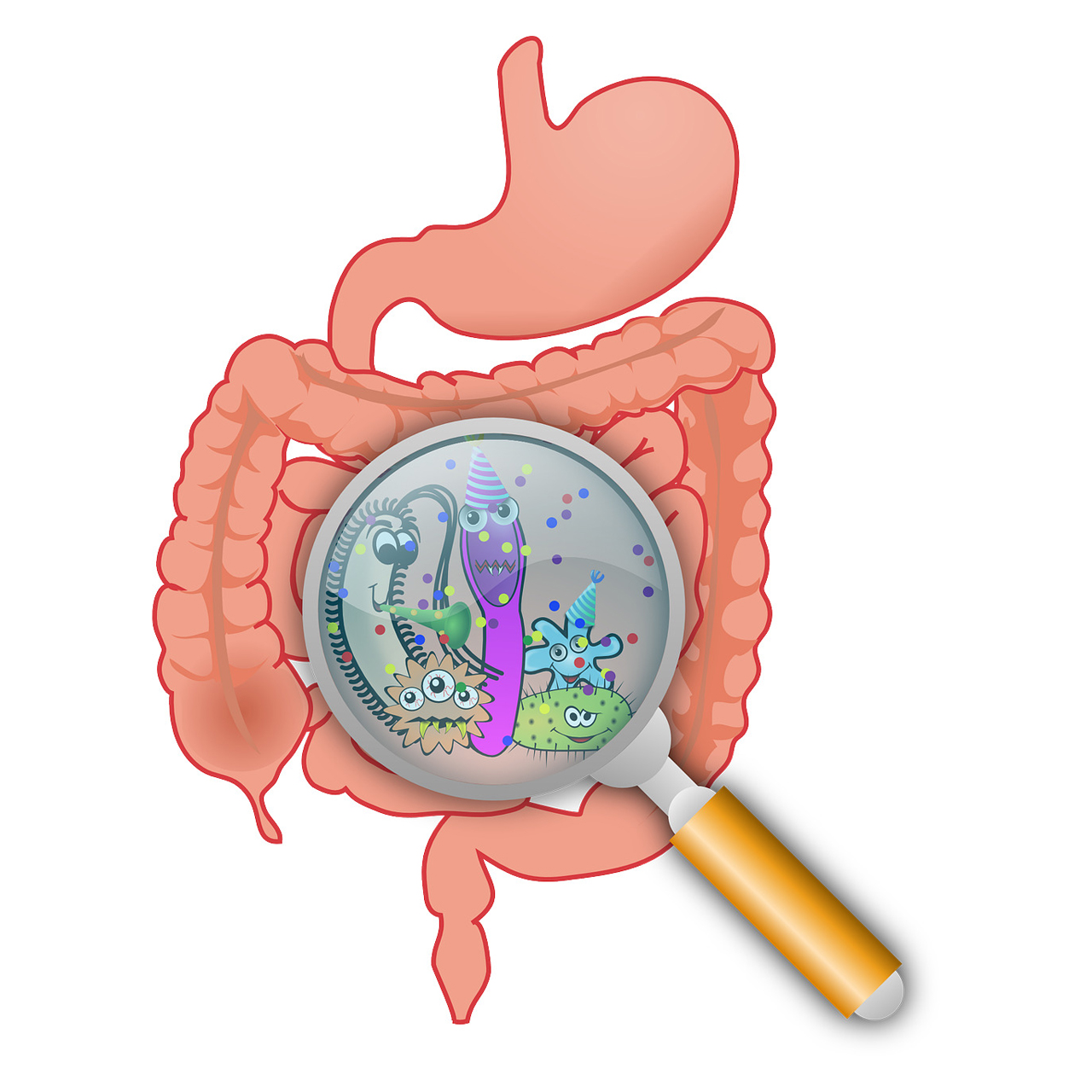
Before explaining what butyrate is let’s start with our gastrointestinal tract or “gut” that starts in the mouth and ends at the anus.
Our gut is formed by bacteria that needs to live in harmony or what scientists call “equilibrium”.
Research has found that in our gut live Trillions of bacteria, fungi and archaea, forming our Gut Microbiome.
Microbiome, comes from two words: “micro” meaning small in greek and “biome” meaning a collection of organisms that will adapt depending of the environment where they life.
It is here, in our gastrointestinal tract, where we find the largest population of microorganism in our body.
The mission of the good is to stop unhealthy microorganisms from overgrowing, keeping our bodies in optimal health.
Butyrate is a short-chain fatty acid (SCFA) that is produced by probiotics in our colon.
What is butyrate?
The word butyrate comes from the Latin word “butyrum” which means butter. Yes, it is in dairy butter where we most commonly find butyrate. However, butter is not the healthiest food to increase butyrate, so let’s look a little bit more into detail, where it comes from and how we can improve our gut health by eating a variety of foods that can help our gut create it.
Why is butyrate so important?
We know now that Butyrate is produced by probiotics. Probiotics are good bacteria that live in our gut that helps our immune and as in recent research is suggesting it could be part of issues like diabetes, obesity, depression, colon cancer, etc.
Butyrate is produced during the fermentation of dietary fibre in the lower gastrointestinal tract. Research shows that butyrate is:
- Is a major energy source for colon cells.
- Boost energy expenditure by improving mitochondrial function.
- Improves insulin sensitivity.
- Fortifies the intestinal barrier.
- Improves brain Immune health.


How do we improve butyrate?
Butyrate is not inside the food. It’s our gut that takes the fibre of certain foods and converts it into this powerful compound.
Where do we find butyrate in foods
- Resistant starches like green bananas and plantain flour. Also after cooked and cooled rice and potatoes.
- In inulin like asparagus, artichoke, onions, garlic.
- Pectin, especially in the skin of apples and citrus peels.
- Fructooligosaccharides – like asparagus, Jerusalem artichoke, leek, onions, bananas, chicory.
- Found in whole grains like wheat, corn, rice, rye oat and barley.
Signs of low butyrate
- Leaky gut
- Bloating
- Diarrhea
- IBS/IBD
- Crohns
- Mood and behaviour issues
- Impaired protein and fatty acid metabolism
- Increases in inflammatory markers
- Reduced insulin sensitivity
Conclusion
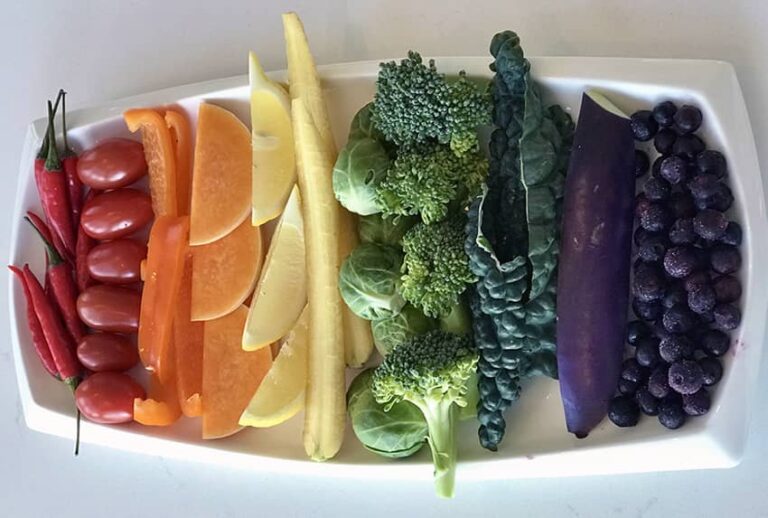
The more variety of high fibre foods we eat the more “good bacteria” will thrive in our gut, a healthier immune system and a healthier brain-gut connection.