Which Oats are healthiest
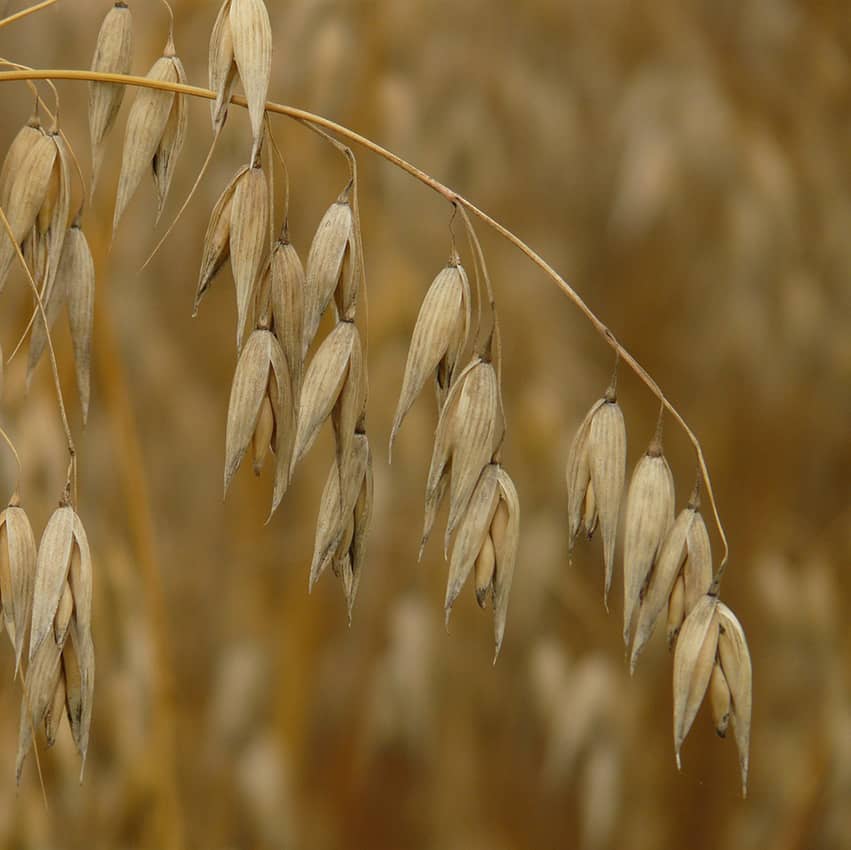
Oats are a whole grain, also called “Avena Sativa.” Only the seeds are eaten, and the transformed grain is what we are used to seeing in our breakfast bowl.
Benefits of oats
Oats are an excellent source of fibre, protein, minerals and vitamins. Here are some of the most important benefits:
Fibre good for Heart Disease and Diabetes
Oats contain mostly fibre ( soluble and insoluble) but are the beta-glucan soluble fibre important in our diet. Research shows that this soluble fibre reduces coronary heart disease, may prevent high blood sugar peaks and insulin levels after eating a meal.
Weight Control and Cholesterol
The soluble fibre that oats contain attracts water, increasing our foods’ viscosity, making us feel full longer.
The beta-glucan fibre in oats lowers the cholesterol levels, especially the LDL ( aka “bad cholesterol”)
Digestive Health
Oats may benefit our gut health as its fibre is broken down and then fermented by our intestinal bacteria.
Vitamins and Minerals
Oats are high in:
- Manganese
- Phosphorus
- Copper
- Vitamin B1
- Selenium
- Iron
- Magnesium
- Zinc
Oats also contain powerful antioxidants and phytic acid that can reduce the absorption of minerals like iron and zinc.
Types of oats

Groats
Groats are the whole oat grain and are have low GI (Glycemic Index). Only the hull has been removed, but other than that, it’s still intact. It takes from 30-40 min to cook, but you know you are eating a whole non-processed grain with all the benefits.
Steel-cut oats
Steel-cut oats are exactly what the word implies. It’s the whole oat groat cut into 2 or 4 pieces using a steel blade, and they contain more fibre making them also low GI. It takes 20-30 min to cook (if you pour hot water over and let stand overnight, the next morning only needs to cook for 15 min). There are as nutritious as the whole grain.

Rolled oat
Rolled oats are steamed and flattened between rollers. This process stabilizes the oils in the oats, making them stay fresh longer. They cook within 10-15 min, and they are great to make granola, muesli or baked goods. Rolled oats are medium GI.

Quick oats
Quick oats are also steamed but flatten even thinner than the rolled oats, sometimes even chopped in smaller pieces. They cook faster, around 5 min and they have more like a mushy texture and have a milder soft flavour. They are much more processed, making them high GI.

Instant oats
Instant oats are the fastest to cook. They are not only steamed but many times also pre-cooked and dried, and chopped into even smaller pieces. Even just pouring boiling water can be enough to have them ready to be eaten. These are the most processed, and most of the time, they can be packed with sugars and unnecessary preservatives—also, high GI. If you purchase these, make sure you look at the label and find on the ingredient list only one ingredient, oats.
Oat Bran
Oat bran it’s just the outer layer of the oat groats. It’s widely used in baking because of its high fibre and still full of nutrients like calcium, magnesium, iron, phosphorus, manganese, selenium, and Folate (B9).

Oat flour
Oat flour is simply grounded rolled oats used for baking or thickening. It can be done at home if you have a food processor or blender. Oat flour can use it to make your own baby cereal.
Gluten-free or not Gluten-free oats
Pure Oats are gluten-free and safe to eat for people with gluten intolerance. Still, they can be cross-contaminated because they are processed in the factory, processing other grains containing gluten.
Studies show that most people that are intolerant to gluten tolerate pure oats.
The importance of Organic Oats
Pesticides and other chemicals, like glyphosate, have been sprayed on oats and other grain before harvesting, so it’s a good idea to buy organic. Glyphosate has been labelled as a probable carcinogen by the World Health Organization’s International Agency for Research on Cancer